
Gynecology
Period Pain in Howard County: Your Guide to Menstrual Cramping
Period pain is one of those things people are told to “just deal with.” If your cramps are stopping you in your tracks, canceling plans,

8171 Maple Lawn Boulevard Suite 100 Fulton, MD 20759
(410) 531-7557












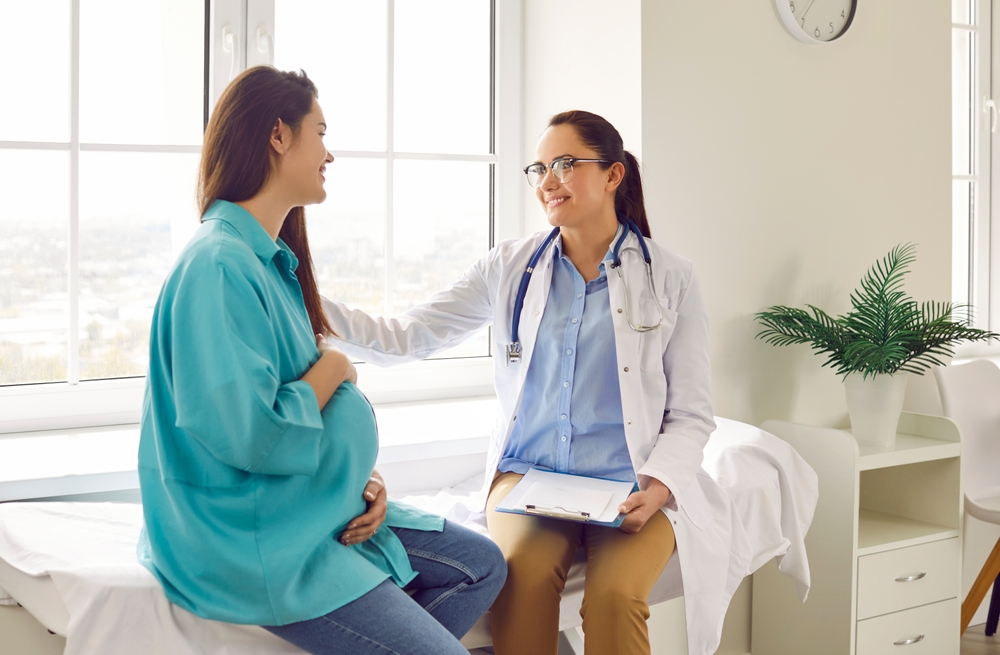

Our dedicated team offers routine and high risk personalized prenatal care and labor and delivery services.
Learn More

We provide modern gynecological office based care and top-notch gynecological surgery care across Howard County! Learn More
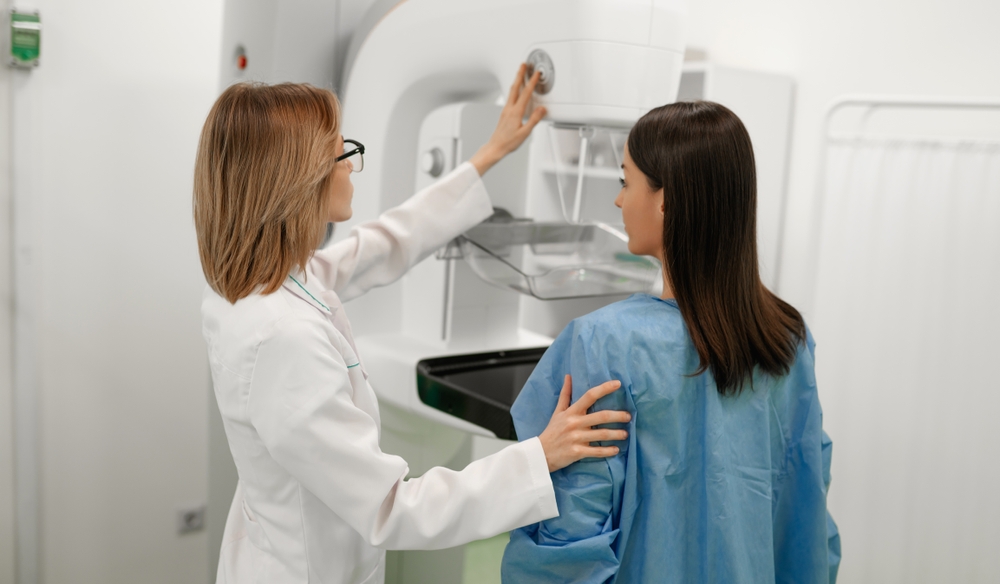
We offer expert obstetric and gynecological ultrasounds, and 3D digital mammography for your convenience. Learn More

At our medical spa, we offer innovative treatment services to help keep you looking and feeling your absolute best! Learn More
All New Patients Receive $50 OFF Their First Service at Our Wellness Medspa.
*Some exclusions apply

Gynecologist | Managing Physician

Obstetrician Gynecologist | Director

Gynecologist

Obstetrician Gynecologist
Obstetrician Gynecologist
Obstetrician Gynecologist
Obstetrician Gynecologist

Gynecologist
Nurse Practitioner

Nurse Practitioner
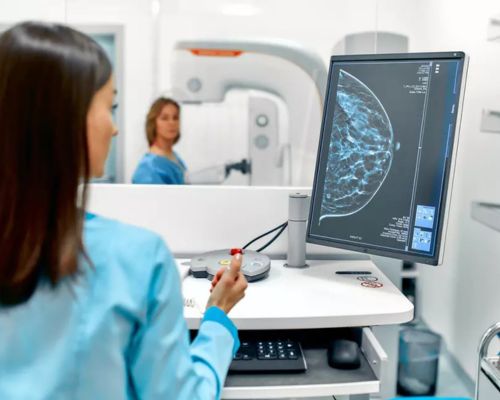

Period pain is one of those things people are told to “just deal with.” If your cramps are stopping you in your tracks, canceling plans,
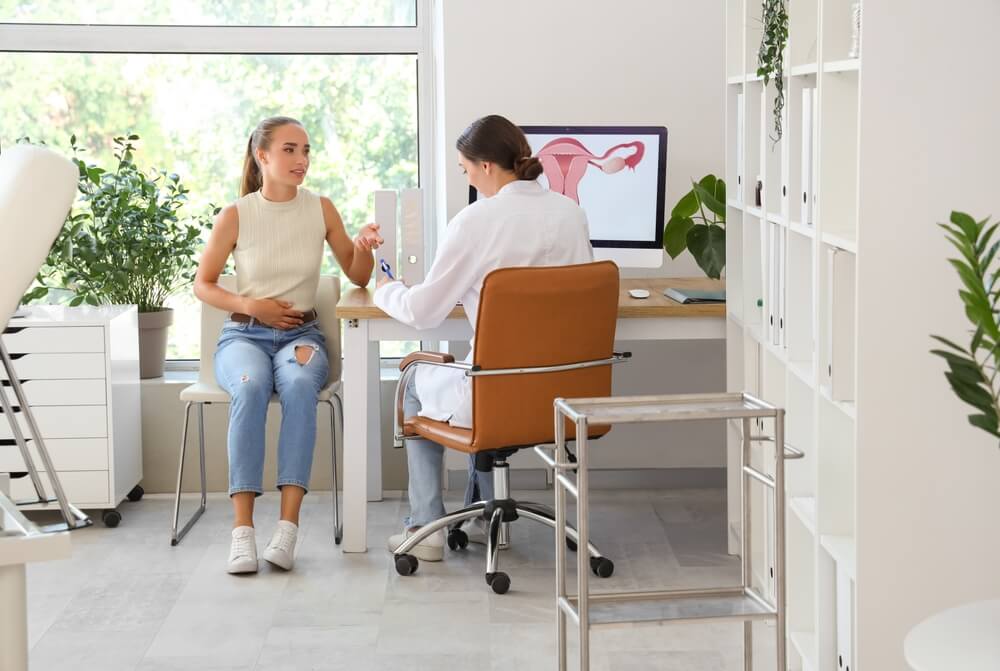
Booking that first gynecology appointment can feel a little intimidating. Whether it’s for yourself or your child, it’s natural to wonder, “Is it too early?

Endometriosis is a condition that can significantly impact daily life, particularly due to chronic pain. Understanding how this gynecological challenge works and how to manage