|
Travel During Pregnancy
Travel in pregnancy is generally safe if your pregnancy is low risk and has been uneventful up to the point of traveling. It is best to restrict travel to locations where you can get good health care if needed. There are a few things to keep in mind when planning travel and during your trip:
- Exercise your legs periodically during prolonged sitting. If unable to
get up, as in air travel, move your ankles around and bend and straighten
your knees.
- Check with the airline with which you plan to travel to see if they require
a letter from your provider.
- Be cautious about what you eat and drink; use bottled water, even to brush
your teeth, in areas known to have water that can cause gastrointestinal
upset.
- Check with your primary care provider or a health care provider specializing
in Travel Medicine about the need for immunization if you are traveling
overseas.
- It is your responsibility to check and see if your insurance carrier has
any restrictions on travel. Some policies will not pay costs of care for
pregnancy if you travel after a certain gestation (most often 36 weeks).
Back to Information Page
Sex During Pregnancy
Enjoyment of sex during pregnancy is a healthy, satisfying part of a couple's total relationship. Female orgasm during late pregnancy will cause contractions of the uterus which are harmless to the baby and which will not cause premature labor. Different positions for intercourse will need to be used as the woman's abdomen enlarges. Any position that is comfortable is safe. An increase or decrease in sexual desire, experienced by the woman, are both normal during pregnancy and the postpartum period.
Under the following conditions, intercourse should be avoided:
- After the membranes (bag of water) have ruptured there is danger of infection.
(Also tub baths, swimming and douches are dangerous at this time.)
- When bleeding or premature contractions occur.
- If you are known to have placenta previa (the placenta covers the cervix).
- Women who have had repeated miscarriages (more than 2) should avoid intercourse
during the time when they have miscarried before.
The only sexual activity that has been documented as dangerous is blowing air into the vagina of a pregnant woman. This can detach the placenta from the uterine wall and cause an air embolism.
If you have questions about sex, please feel free to discuss them with your physician. We welcome your questions.
Back to Information Page
Exercise During Pregnancy
It is beneficial for you to be in good health. By maintaining physical fitness in pregnancy, you can reduce common discomforts of pregnancy, improve your baby's health, and shorten your recovery time after delivery.
In general, you can keep up with your exercise routine that you had prior to your pregnancy. If you didn't exercise before, now is good time to start. Start slowly and don't expect as much of yourself as you might have before pregnancy. You can start with walking 20 minutes a day or join our prenatal Yoga class.
The only exercises or activities to avoid are:
- Those in which there is a danger of getting hit in the abdomen
- Those in which there is risk of a severe fall
- Those in which you are required to lie flat on your back for more than
a couple of minutes (this pertains to after 20 weeks gestation)
Contemporary Health for Women has a business partnership with Synergy, an all women's fitness center located in Columbia. The staff and facilities there are well suited to help keep you in shape and feeling great through your pregnancy. Our patients enjoy a 50% discount on membership fees at Synergy. We would be pleased to provide you with the documentation you need in order to take advantage of this discount
Back to Information Page
Common Questions and
Concerns of Pregnancy
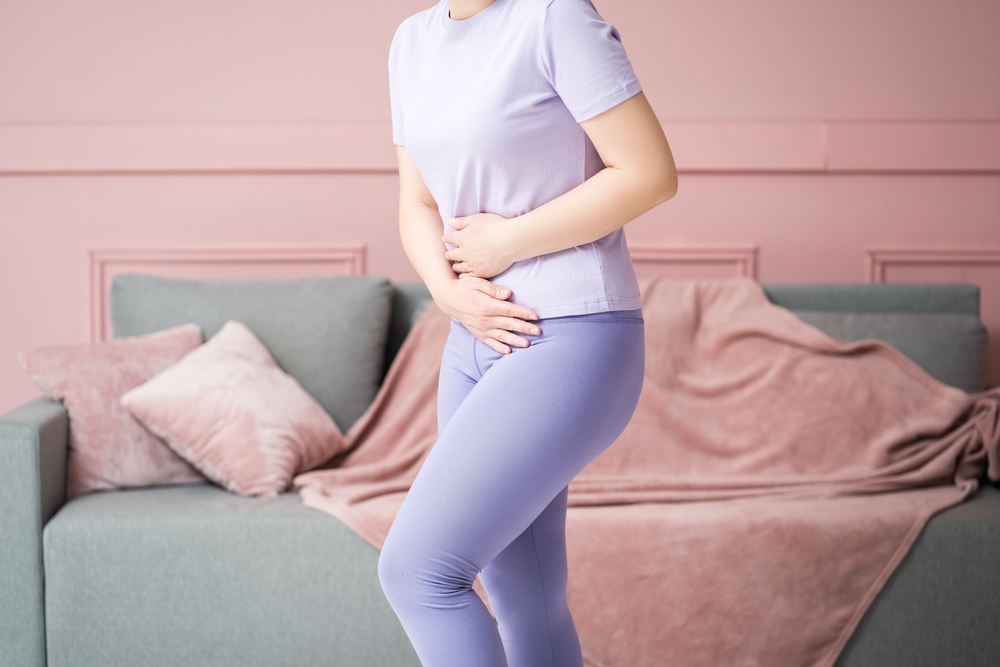
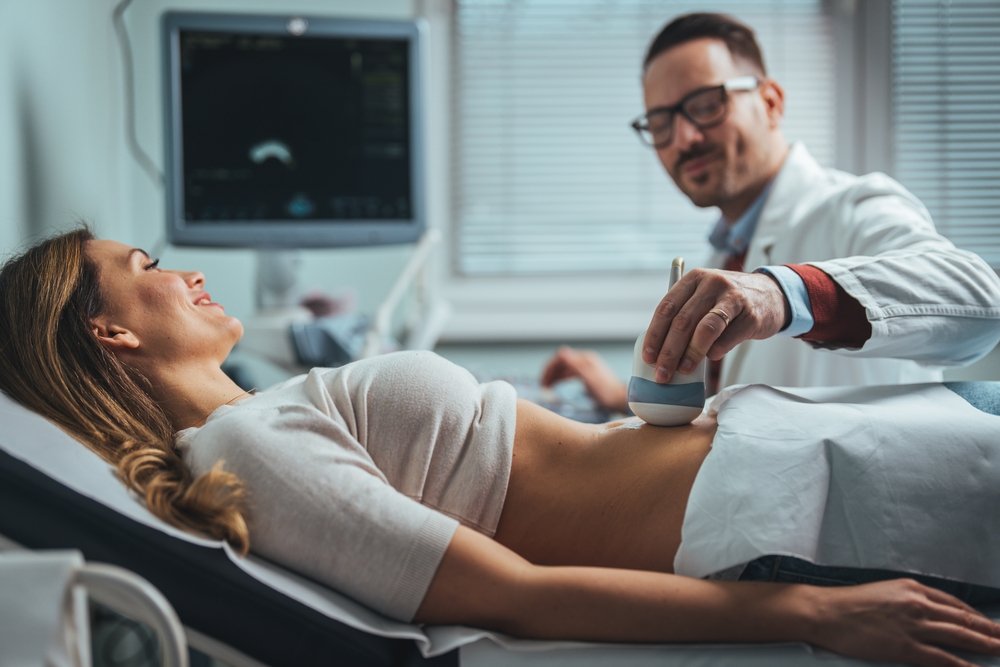
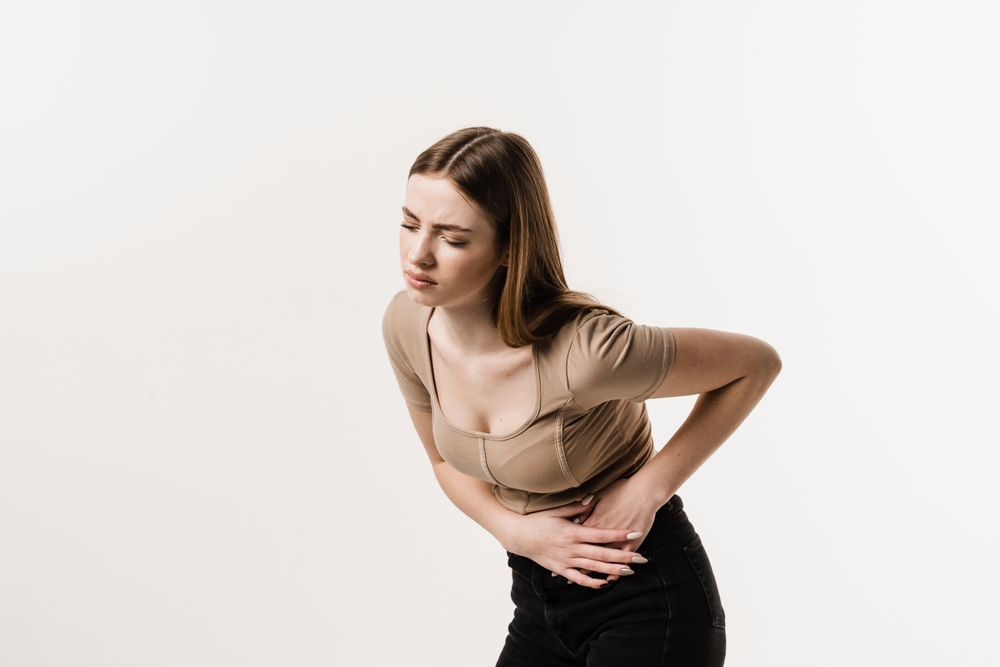
Abdominal Pain
POSSIBLE CAUSES:
There are numerous causes for abdominal pain in pregnancy. In general, isolated abdominal pain that does not persist or worsen is not a cause for concern. Remember there is a baby in there and a rapidly growing uterus that is moving other organs around. Normal causes of abdominal pain usually do not need to be reported and can include:
- Round Ligament Pain: Sharp, pulling pains low on either side down toward the groin. They usually increase with movement such as when you move quickly or turn over.
- Braxton Hicks Contractions: Mild, irregular tightening of your uterus that does not increase in intensity or frequency, and disappears spontaneously. It may be more intense after intercourse or when you are dehydrated.
- Constipation: See bowel problems.
PREVENTION AND TREATMENT:
Round Ligament Pain:
- Change positions slowly, especially from lying to sitting to standing.
- Prop a pillow under your belly when you lay on your side.
- Take a warm (not hot) bath.
- Keep yourself well hydrated (8-10 glasses of water a day).
- Wear a pregnancy abdominal support belt.
- If needed, you may take Tylenol
Braxton Hicks Contractions:
- Accept them as normal. Keep yourself hydrated, with 8-10 glasses of water a day.
- Take calcium supplements to decrease uterine irritability.
- Take rest breaks during the day.
NOTE: The following conditions may also cause abdominal pain in pregnancy,
and do need to be reported to the Doctor.
- Urinary Tract Infection:
See bladder problems.
- Preterm Labor:
See preterm labor section.
- Appendicitis:
Severe usually right sided abdominal pain which may be accompanied by nausea
or vomiting and fever.
- Gallbladder or Liver Problems:
Severe right upper abdominal pain. Gallbladder disease may also be accompanied by nausea or vomiting and/or fever.
Back to Information Page
Back Pain
POSSIBLE CAUSES:
- Stress on back muscles from the extra weight in the abdomen.
- Kidney infection or kidney stone: Pain above the waist and toward one side
or the other. These may be accompanied by fever.
- Preterm labor i.e. before 37 weeks: Pain that comes and goes and is accompanied
by tightening of the uterus. There may also be an increase in the amount
of vaginal discharge compared to that you have noticed in the earlier part
of pregnancy. (see also Preterm Labor section)
Call if you suspect either of the last two of the problems above.
PREVENTION AND TREATMENT:
Back Strain:
- Massage Therapy (call our office for information).
- Yoga (call our office for information)
- Good posture.
- Proper body mechanics when changing position or lifting.
- Pelvic rock exercises.
- Firm mattress.
- Extra rest.
- Tylenol up to 1000 mg every 3-4 hours.
- Warm (not hot) bath or heating pad on low setting (be careful of burns).
Back to Information Page
Bladder Problems
Urinary Tract Infection (UTI)
CAUSE:
UTIs are caused by bacteria growing in a part of the urinary tract. The urinary tract includes the kidneys, ureters (pipes that lead from the kidneys to the bladder), bladder, and urethra (the pipe that leads from the bladder to the outside). Pregnant women are at an increased risk for urinary tract infections and it is important to treat them so that they don't cause complications to the pregnancy.
SIGNS AND SYMPTOMS:
- Frequency, having to urinate more than usual.
- Burning when you urinate.
- Not able to urinate when you try.
- Lower abdominal pressure and/or tenderness.
- Blood in your urine.
- Fever.
- Back pain, over your kidneys.
PREVENTION:
- Drink a lot of fluids, particularly water and/or cranberry juice. Do not
restrict fluids hoping you won't have to urinate as much. You will actually
spend a lot more time in the bathroom and have more pain.
- Urinate frequently, do not hold it.
- Wear loose, cotton clothes.
- Use white, non-perfumed toilet paper.
- Wash before and after sex - a good idea for your partner, too.
- Urinate immediately after intercourse.
WHAT IF I DEVELOP A UTI?
- Contact our office as soon as possible.
- We will arrange for you to do a urine culture for testing.
- Depending on your symptoms, we will either start you on an antibiotic as
soon as you've done the laboratory test, or wait until we have results.
- Take all of your antibiotic, even if you no longer have signs and symptoms.
- After your medication is finished, you should have another urine culture
done to be sure the infection is gone.
Top
Back to Information Page
Incontinence
CAUSE:
Pregnant women often need to urinate more frequently due to pressure on the bladder from the growing uterus. This is worse in the beginning and at the end of the pregnancy. The more babies you have had and the older you get, the more problems you may have with incontinence (leaking of urine).
WHAT CAN I DO FOR INCONTINENCE (BLADDER LEAKING)?
- Kegel exercises. Click here for a description of Kegel exercises or you can get information from the office. Do at least 20 repetitions, and hold each to the count of ten. Do these several times a day.
- Wear a pad, and change it frequently.
- Try to have your bladder empty, or cross your legs before coughing or sneezing.
Remember that you are not alone; many pregnant women have this problem.
Top
Back to Information Page
Bleeding (Vaginal)
POSSIBLE CAUSES:
- Small amounts of spotting may be normal in pregnancy. This may occur after
a Pap smear, vaginal exam, intercourse, or when the embryo implants into
your uterine wall (about the time you miss your first period). Light spotting
that is not associated with cramping or abdominal pain does not increase
your chance of miscarriage and most often resolves spontaneously.
- Cervical polyps.
- More serious causes may be threatened miscarriage, ectopic pregnancy, placenta
previa, or placental separation.
Any spotting in pregnancy should be reported to your physician.
Top
Back to Information Page
Bowel Problems
POSSIBLE CAUSES:
- Constipation: Iron or calcium supplements or dietary deficiencies (not enough fiber or water).
- Hemorrhoids: Constipation or impaired circulation due to weight of the uterus on major veins. These are really varicose veins of the rectum.
PREVENTION AND TREATMENT:
- Eat a diet high in fiber (fruits, vegetables, whole grains).
- Drink lots of water.
- Have regular bowel habits.
- Exercise daily.
- Avoid sitting for long periods of time.
- Use stool softeners - Docusate Sodium - such as Colace. Fiber supplements,
such as Metamucil, are also helpful but fluid intake must be increased
with them.
- Rectal medications (Preparation H, Anusol) are available to help and may
be used during pregnancy.
Top
Back to Information Page
Colds, Upper Respiratory Infections
POSSIBLE CAUSES:
Some nasal congestion may be normal in pregnancy due to the increase in
blood volume and swelling of nasal blood vessels. You also may be more
likely to get colds during pregnancy, especially if you have small children
at home. Colds are caused by viruses and cannot be treated with antibiotics.
If a cold lingers or you develop a fever over 100.4°F (38°C), you may be
developing a secondary bacterial infection that may need to be treated
with an antibiotic.
Treatment:
- In general, any cold medicine (see Medications section) should contain
a single ingredient and no alcohol. Read the labels. Take the lowest dose
possible and only when needed. Vitamin C, 500mgs, 2-3 times per day may
help to shorten the duration of symptoms. Also remember to rest, eat well,
and drink lots of fluids.
- Fever: A high fever (101°F or higher) does not maintain the healthiest environment for developing babies, especially in early pregnancy. Therefore, they should be treated. You can take up to 1000mg of acetominophen (2 extra strength Tylenol) every 6 hours, but call your physician to let us know you have a fever. Do not take Aspirin (acetylsalicylic acid or ASA) or ibuprofen.
- Cough/Sore Throat: Cough drops are safe, but do not eat them like candy. They have lots of empty calories. Robitussin is an expectorant cough syrup that can help to loosen congestion. Drinking more fluids can do the same thing.
- Nasal Congestion: The decongestant pseudoephedrine (brand name example Sudafed) may be the best choice for cold symptoms. Antihistamines, for example Chlortrimeton or Benadryl may be better for seasonal allergies. Nasal saline spray or drops, a cool mist humidifier, and lots of oral fluids will also help to loosen congestion. Try sleeping with your head elevated on several pillows. Mentholatum or Vicks VapoRub placed on the outside of your nose may also help you to feel the air moving through, and reduce your subjective sensation of stuffiness.
The best principle is to use medications only when you really need to. They may help you sleep, and rest is a very important thing in pregnancy. Remember, these medications do not make a virus go away. Only time, rest, and drinking plenty of fluids will do that. These medications just help you feel better while you are waiting.
Top
Back to Information Page
Dizziness/Faintness
POSSIBLE CAUSES:
- A drop in blood pressure when changing position from lying down to sitting
or from sitting to standing can be the cause of dizziness. Pregnancy hormones
cause blood vessels to relax which contributes to this phenomenon.
- Low blood sugar may be another cause.
Let your physician know if you actually lose consciousness or fall when light-headed.
PREVENTION AND TREATMENT:
- Move slowly, especially when rising.
- Drink plenty of fluids.
- Wear support hose to prevent pooling of blood in legs.
- Eat well-balanced meals and nourishing snacks.
Top
Back to Information Page
Fatigue
POSSIBLE CAUSES:
- Hormones of pregnancy, mostly in the 1st trimester.
- Later in the pregnancy, carrying extra weight and lack of sleep due to
urinary frequency and/or general discomfort.
PREVENTION AND TREATMENT:
- Extra rest, nap when possible, go to bed earlier
- Adequate calories and most fluids by 7 pm
- Regular exercise, but do not overdo it, stay fit.
- Decrease or avoid caffeine.
- Experiment with extra pillows to sleep more comfortably. For example: Tuck
one under your tummy and another between your knees.
- Traditional Chinese Medicine techniques (contact our office for more information)
Top
Back to Information Page
Headaches
POSSIBLE CAUSES:
- Sinus pressure from increased fluid volume.
- Eye strain from vision changes.
- Allergies, colds, or flu
- Headaches can be a symptom of high blood pressure.
Call your physician if Tylenol and a nap do not relieve the headache or if you have blurred vision.
PREVENTION AND TREATMENT:
- Extra rest.
- Acetaminophen (i.e. Tylenol) up to 1000mg every 4 hours.
- A decongestant for a cold or an antihistamine if you have allergies.
- Traditional Chinese Medicine techniques can be very effective.
- Consult your ophthalmologist or optometrist if your vision changes.
Top
Back to Information Page
Heartburn and Indigestion
POSSIBLE CAUSES:
- Increased stomach acid reflux into your esophagus
- Slowed digestion in pregnancy.
PREVENTION AND TREATMENT:
- Eat small, frequent meals.
- Do not drink fluids with meals, drink them in between meals.
- Minimize acidic or greasy foods.
- Antacids, preferably antacids that have both magnesium and aluminum and are low in sodium (i.e. Mylanta or Gelusil). Magnesium antacids by themselves can cause diarrhea. Aluminum antacids by themselves can cause constipation. Tums contain only calcium and are good for extra calcium, but don't relieve heartburn for very long. Rolaids contain both calcium and magnesium, but not aluminum and are a good choice if you need calcium and have heartburn.
Top
Back to Information Page
Nausea and Vomiting (Morning Sickness)
POSSIBLE CAUSES:
- It is not known what causes morning sickness. There are a number of different
theories. It has a relationship to the amount of pregnancy hormone in the
blood. Suffice it to say, it happens. It usually peaks around 9 to 10 weeks.
Although some women have some queasiness until delivery, it usually has
improved significantly or is gone by 14 to 16 weeks.
- The popular name is "morning sickness" but it can be all day or it can
be worst at another time of the day.
PREVENTION AND TREATMENT:
- Strive mainly to keep fluids in. Do not force yourself to eat solid food
if you are vomiting it.
- If you can tolerate some foods, choose foods high in protein.
- Eat small, frequent meals.
- Try to keep something in your stomach at all times. An empty stomach can
make you more nauseated.
- Do not drink liquids with meals, drink them in between.
- Have dry crackers before rising in the morning.
- Eat a bedtime snack, preferably of protein.
- Eat foods that appeal to you and those that do not have strong odors.
- Structure your life so you can rest at the time you usually feel worst,
and do more and eat more at times you usually feel better.
- Keep yourself well hydrated. You may only tolerate small sips of fluid
or ice chips at a time.
- Take vitamin B6 up to 200mg per day. Take half in the morning and half
in the evening or when you can keep it down.
- Drink mint and/or raspberry teas.
- Wear sea bands, acupressure bracelets that put pressure on the Neiguan
point of the wrist (two thumbs up from the hand on the inside of the wrist,
and about 1cm deep)
- Sip on flat cola, but do not overdo the caffeine and sugar, apple or grape
juice can be substituted.
- Traditional Chinese Medicine techniques can be very effective in treatment
(call our office for more information)
Call if you cannot keep any liquids down.
You can also get the regular stomach flu when you are pregnant. If you can't keep anything down, try the following:
- Do not eat or drink anything for 4-5 hours. Then slowly start sipping flat
cola. If tolerated, slowly increase the amount of liquid you take, and
slowly introduce solids. Good bland solids to start with are bananas, rice,
apple sauce and toast (the "b.r.a.t." diet). The pace at which
you add solids back can vary from 24 hours to several days.
Top
Back to Information Page
Leg Cramps
POSSIBLE CAUSES:
- Impaired circulation in the legs
- Electrolyte (mineral) imbalance.
PREVENTION AND TREATMENT:
- See also sections on swelling and varicose veins.
- Do not point toes.
- Extra rest.
- Take calcium supplements (1000-1500 mg per day). Take your supplement or
a glass of milk before bedtime.
- To relieve cramps, stretch leg out and bend ankle with toes toward your
head, (Point your heels!). Hold this position until the muscle relaxes.
It may feel bruised for a few hours afterwards.
Top
Back to Information Page
Shortness of Breath
POSSIBLE CAUSES:
- Normal changes in your balance of oxygen and carbon dioxide make you feel
as though you are short of breath. This is often worst in the first two-thirds
of your pregnancy.
- Increasing pressure against your diaphragm by your growing uterus may also
make you feel short of breath. Actually you are able to pull in more air
than when you were not pregnant, because your chest has expanded. This
is a subjective feeling of shortness of breath.
PREVENTION AND TREATMENT:
- Relax and consciously slow and deepen your breathing.
- Stretch your arms up, to further expand your chest.
- Sleep with your head and chest elevated.
- Listen to your body; rest when needed and do not over exert yourself.
- Make sure to buy larger bras, not just cup size but also measurement.
Top
Back to Information Page
Skin Changes (Stretch Marks, Excessive Pigmentation)
POSSIBLE CAUSES:
- Pregnancy hormones cause changes in pigmentation such as darkening of the
breast nipple area and the line down the middle of the abdomen (called
linea nigra).
- Stretch marks are caused by the rapidly enlarging uterus, sometimes hips
and breasts too. Genetics and skin elasticity also play a part in whether
or not a person gets stretch marks.
- Other skin changes such as rashes or itching may occur. Call your physician if it is severe.
PREVENTION AND TREATMENT:
- Generally stretch marks and pigment changes are not preventable.
- Lotions, creams, or ointments may relieve dryness and discomfort.
- Stretch marks will fade, to some extent, and increased pigment will resolve
after delivery, but it takes several months for these to happen.
- Avoid excess weight gain to keep stretch marks from becoming extreme.
Top
Back to Information Page
Swelling
POSSIBLE CAUSES:
- Swelling of the feet is common in late pregnancy due to increased blood
volume and increased abdominal pressure that traps fluid in the legs.
- Other, more serious causes include preeclampsia or pregnancy induced hypertension.
This usually involves rapid weight gain, rapidly developing swelling of
feet, hands and/or face, along with elevated blood pressure and protein
in the urine. These symptoms may also be accompanied by persistent headache,
upper abdominal pain, and/or visual disturbances described as spots in
front of the eyes or flashing lights. Any of these symptoms need to be reported immediately to your physician.
PREVENTION AND TREATMENT:
(for simple swelling without the other symptoms listed above)
- Elevate feet for a period of time each day.
- Do not sit or stand for long periods of time. Get up and walk around.
- Avoid tight, restrictive clothing or knee socks.
- Wear support hose.
- Drink lots of fluid, at least 8-10 glasses per day.
- Swimming, or water immersion in shoulder deep water.
Top
Back to Information Page
Vaginal Discharge
POSSIBLE CAUSES:
- Pregnancy hormones cause increased vaginal secretions (leukorrhea).
- Infections
- Leaking of amniotic fluid.
Call your physician if the discharge is itchy, irritating, foul smelling, or very watery.
PREVENTION AND TREATMENT:
- Do not douche.
- Wear cotton underwear (not just cotton crotch).
- Avoid constrictive clothing.
- Go without underwear while sleeping and at home during the day whenever
possible.
- Sanitary pads should be used only when absolutely necessary and changed
frequently.
Top
Back to Information Page
Varicose Veins
POSSIBLE CAUSES:
- Increased blood volume.
- Increased abdominal pressure that traps fluid in your legs.
- Relaxation of blood vessel walls.
PREVENTION AND TREATMENT:
- Follow all of the suggestions for swelling in pregnancy.
- If commercial maternity support hose do not give adequate relief, prescription
support hose are available.
There is also an increased risk of developing blood clots when you are pregnant and for 6 weeks postpartum. This is a different condition to varicose veins. The following signs and symptoms of deep vein thrombosis or blood clots
should be reported immediately to your physician. If you
have these symptoms do not massage the leg.
- Abrupt onset of severe leg pain.
- Swelling of one leg, one side more than the other.
- Localized pain, warmth or redness of leg.
Top
Back to Information Page
|
|
|